
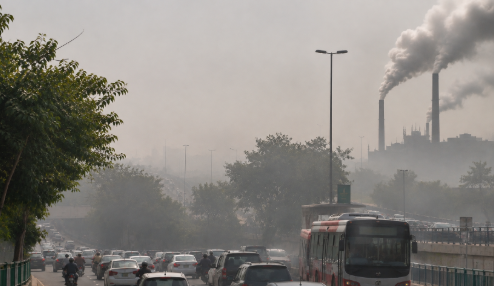

Air pollution in Pakistan has become one of the country’s most visible environmental concerns. Every winter, thick smog settles over major cities, especially in Punjab, reducing visibility and making daily routines harder. Schools adjust timings, travel is disrupted and many residents struggle with breathing problems. Declining air quality in Pakistan affects public health, the environment and the economy alike, which makes it an issue that needs practical, long-term attention.
Public awareness and access to reliable information are essential for addressing environmental challenges. Digital media platforms such as Asian Burg can contribute to these conversations by highlighting important public-interest issues, environmental concerns, and developments affecting communities.
Major Causes of Air Pollution in Pakistan
Air pollution causes in Pakistan are varied, and most of them build on one another during the colder months.
Vehicle emissions. Growing traffic and older, poorly maintained vehicles release large amounts of exhaust, particularly in crowded urban areas.
Industrial pollution. Factories, brick kilns and other industrial units often operate without adequate emission controls, releasing smoke and fine particles into the air.
Crop residue burning. Burning leftover crops after harvest is a common practice in farming regions. The smoke drifts toward cities and adds to seasonal smog.
Construction dust and waste. Building projects raise dust, while open burning of garbage releases toxic fumes in residential areas.
Fossil fuel use. Dependence on coal, diesel and other fuels for power, transport and household needs adds a steady layer of pollutants throughout the year.
See also: How AI Is Used to Organize Large Information Libraries
Consequences of Air Pollution
The effects of air pollution reach well beyond discomfort.
Health. Fine particles can enter the lungs and bloodstream. Over time, exposure is linked to asthma, bronchitis, heart problems and eye irritation. Children, older adults and people with existing conditions are the most vulnerable.
Smog and visibility. Smog in Pakistan reduces visibility on roads and highways, which raises the risk of accidents and leads to delays and closures.
Ecosystems and agriculture. Polluted air can damage plants, soil and water sources. It can also lower crop yields, which affects farmers and food supply.
Economic and social costs. Health expenses, lost working days and disrupted transport add up. They reduce productivity and lower the overall quality of life in affected cities.
Possible Solutions to Reduce Air Pollution
Air pollution prevention works best when several measures move forward together.
Cleaner transport. Reliable public transport, regular vehicle inspections and wider use of cleaner and electric vehicles can cut emissions from roads.
Stronger industrial controls. Filters, cleaner technology and regular monitoring of factories and kilns can reduce what industry releases into the air.
Better farming practices. Giving farmers affordable alternatives to burning, such as machinery that mixes residue into the soil, can reduce a major seasonal source of smoke.
Green spaces. Urban parks, tree plantation drives and protected open land help filter dust, lower heat and improve the surrounding environment.
Waste management and regulation. Regular garbage collection, safe disposal systems and consistent enforcement of environmental rules can limit open burning and construction dust.
The Role of Government and Public Awareness
Lasting improvement depends on both policy and participation. Governments can set stricter environmental standards, expand air quality monitoring stations and publish data so residents know when pollution levels are high. Clear enforcement matters as much as the rules themselves.
Public involvement is just as important. Simple habits such as carpooling, avoiding waste burning, maintaining vehicles and planting trees add up when practised widely. Schools, community groups and local media can help people understand how everyday choices affect the air they share. Awareness campaigns work best when they give people clear, practical steps they can take at home and in their neighbourhoods.
Conclusion: Working Towards Cleaner Air
Tackling air pollution in Pakistan is not the job of one department or one season. It calls for effective policies, cleaner practices in transport, industry and agriculture, and steady commitment from both authorities and citizens. Readers who want to follow these developments can turn to a trusted digital news platform for ongoing coverage of environmental and public-interest stories.
Cleaner air is achievable. With shared responsibility and long-term planning, Pakistan can protect public health, support its economy and leave healthier cities for the next generation.
